






Planning a wedding involves many important decisions, from choosing the venue and selecting the perfect dress to organizing the ceremony and reception. In Italy, weddings are especially meaningful events that combine religious traditions, family values, and beautiful celebrations centered around food and hospitality. Catholic weddings remain among the most common ceremonies in Italy, often involving a full day of rituals, gatherings, and shared meals.
For couples planning a traditional Italian wedding, food plays a central role in the celebration. Italian culture places great importance on dining together, and wedding receptions are designed to reflect this spirit of togetherness. Carefully planned menus, elegant presentation, and attentive service all contribute to creating an unforgettable experience for guests.
The Role of Tradition in Catholic Italian Weddings
Many Italian weddings begin with a Catholic church ceremony. These ceremonies are often held in historic churches and follow a traditional structure that includes readings, vows, and blessings. After the ceremony, guests typically gather for a reception that can last several hours, sometimes continuing late into the evening.
Family involvement is also an important aspect of Italian weddings. Parents, relatives, and close friends often help organize parts of the celebration. From choosing floral decorations to planning the menu, many elements reflect the couple’s heritage and family traditions.
Food is often used to honor these traditions. Italian wedding receptions are known for their multi-course meals that highlight regional ingredients and recipes. The meal itself becomes a central part of the celebration, giving guests time to relax, socialize, and enjoy the event together.
Choosing the Right Catering for the Celebration
Selecting the right catering service is one of the most important decisions when planning an Italian wedding reception. The catering team is responsible not only for preparing the food but also for ensuring that service runs smoothly throughout the event.
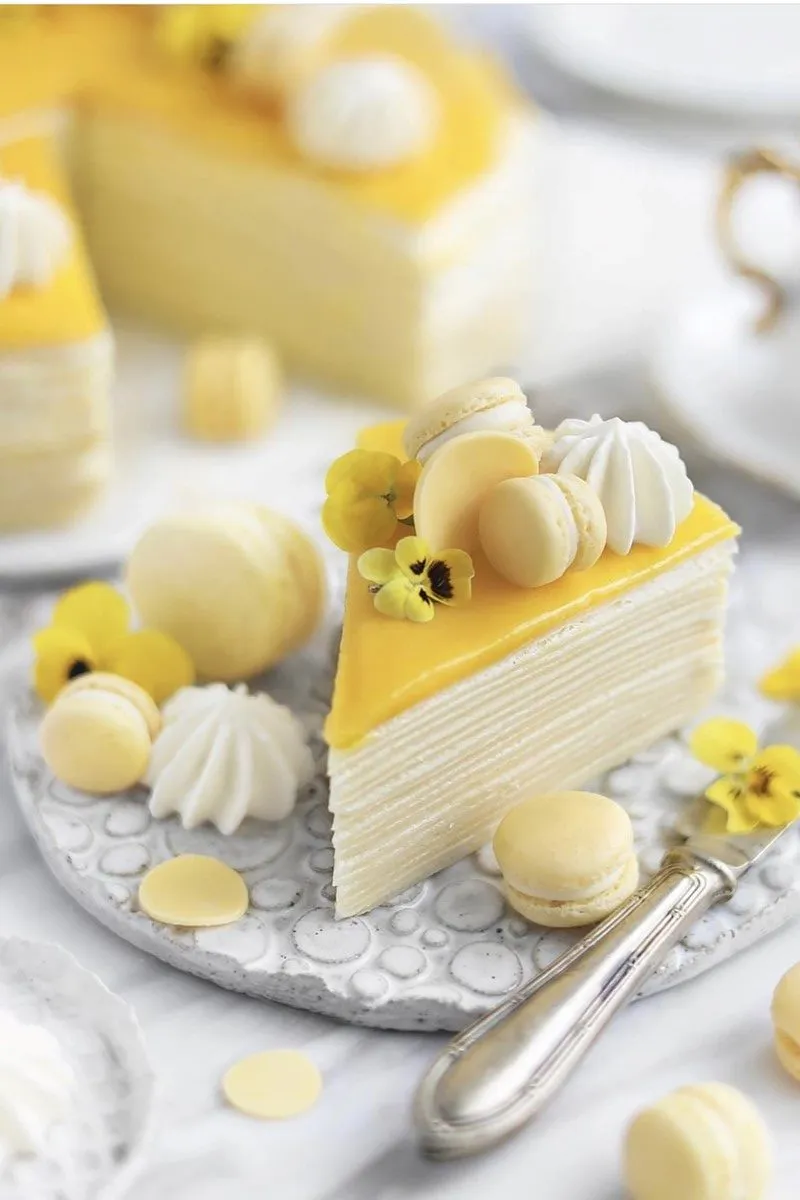
Professional catering teams help couples design menus that reflect both personal preferences and cultural traditions. Many Italian wedding menus include a combination of appetizers, pasta courses, meat or seafood dishes, and desserts. Presentation is equally important, as beautifully arranged dishes add elegance to the reception.
Couples planning their reception often look for experienced providers of catering matrimonio services who understand the structure and expectations of Italian wedding celebrations. These professionals coordinate food preparation, service timing, and guest experience so that the meal flows naturally alongside speeches, music, and other parts of the event.
Typical Structure of an Italian Wedding Reception Menu
Italian wedding menus often follow a structured format that includes multiple courses. This style allows guests to experience a variety of flavors while enjoying a long and relaxed meal.
| Course | Description | Examples |
| Aperitivo | A welcome reception with drinks and light appetizers before the main meal | Prosecco, olives, small bites |
| Antipasto | The first formal course featuring small savory dishes | Cured meats, cheeses, and grilled vegetables |
| Primo | A pasta or risotto course highlighting regional flavors | Lasagna, risotto, ravioli |
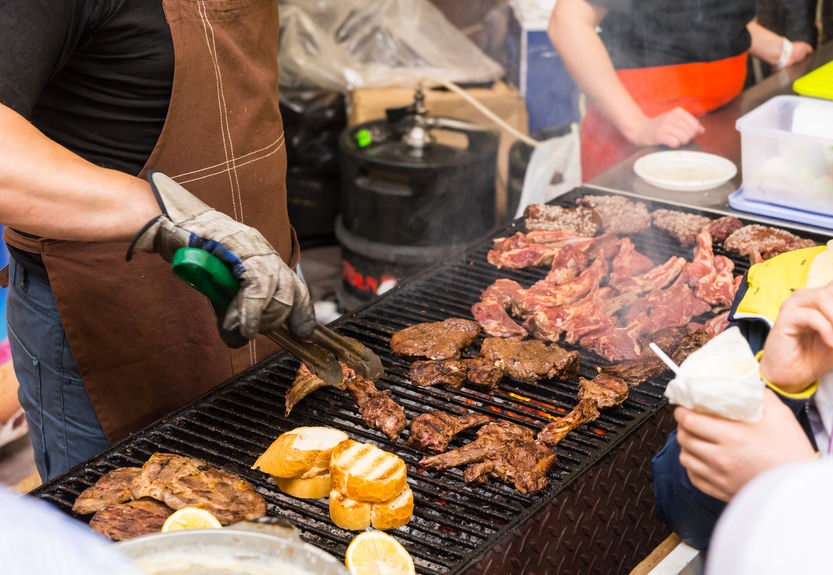
| Secondo | The main protein dish, often meat or fish | Roasted lamb, grilled seafood |
| Dolce | Dessert served toward the end of the meal | Tiramisu, wedding cake |
This structured meal format encourages guests to enjoy the celebration slowly, savoring each course while spending time with family and friends.
Key Elements to Consider When Planning the Wedding Menu
Designing a wedding menu involves balancing tradition, personal taste, and guest preferences. Couples often work closely with caterers to create a menu that represents their story while still honoring Italian culinary customs.
Some important factors to consider include:
- Selecting seasonal ingredients that enhance flavor and freshness
- Offering vegetarian or dietary-friendly options for guests
- Balancing traditional Italian dishes with modern culinary touches
- Planning portion sizes and course timing to keep the event flowing smoothly
- Matching the food style with the overall theme of the wedding reception
Thoughtful planning ensures that guests feel comfortable and well cared for throughout the event.
The Importance of Atmosphere and Presentation
While food is essential, presentation and atmosphere also play a major role in Italian weddings. Elegant table settings, floral decorations, and carefully arranged serving stations all contribute to the visual appeal of the reception.
Many couples choose venues that highlight Italy’s natural beauty, such as countryside villas, historic estates, or coastal locations. These settings provide the perfect backdrop for a memorable celebration filled with music, laughter, and exceptional food.
Caterers often collaborate with wedding planners and decorators to ensure that the food service complements the event design. From beautifully plated dishes to buffet displays featuring regional specialties, the presentation of the meal becomes part of the wedding’s overall aesthetic.
Creating a Memorable Celebration
Italian weddings are known for their warmth, hospitality, and sense of celebration. The combination of religious traditions, family participation, and carefully prepared food creates an atmosphere that guests remember long after the event ends.
Planning every detail, from the ceremony to the reception menu, requires careful thought and coordination. By choosing experienced catering professionals and honoring traditional elements, couples can create a wedding that reflects both their personal style and the rich cultural heritage of Italian celebrations.
Ultimately, the success of an Italian wedding often comes down to the shared experience of great food and joyful company. When the meal is thoughtfully planned and beautifully presented, it becomes more than just a reception; it becomes a central part of the story that the couple and their guests will remember for years to come.